 |
 |
The 32nd Annual International Conference on
Mobile Computing and Networking
Oct 26-30, 2026, Austin, Texas, USA
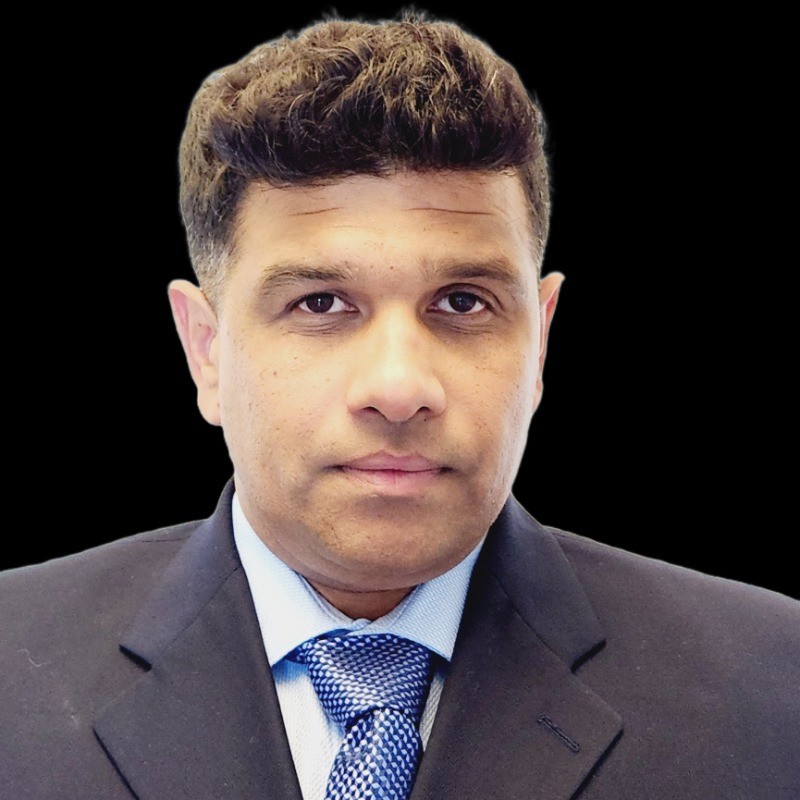
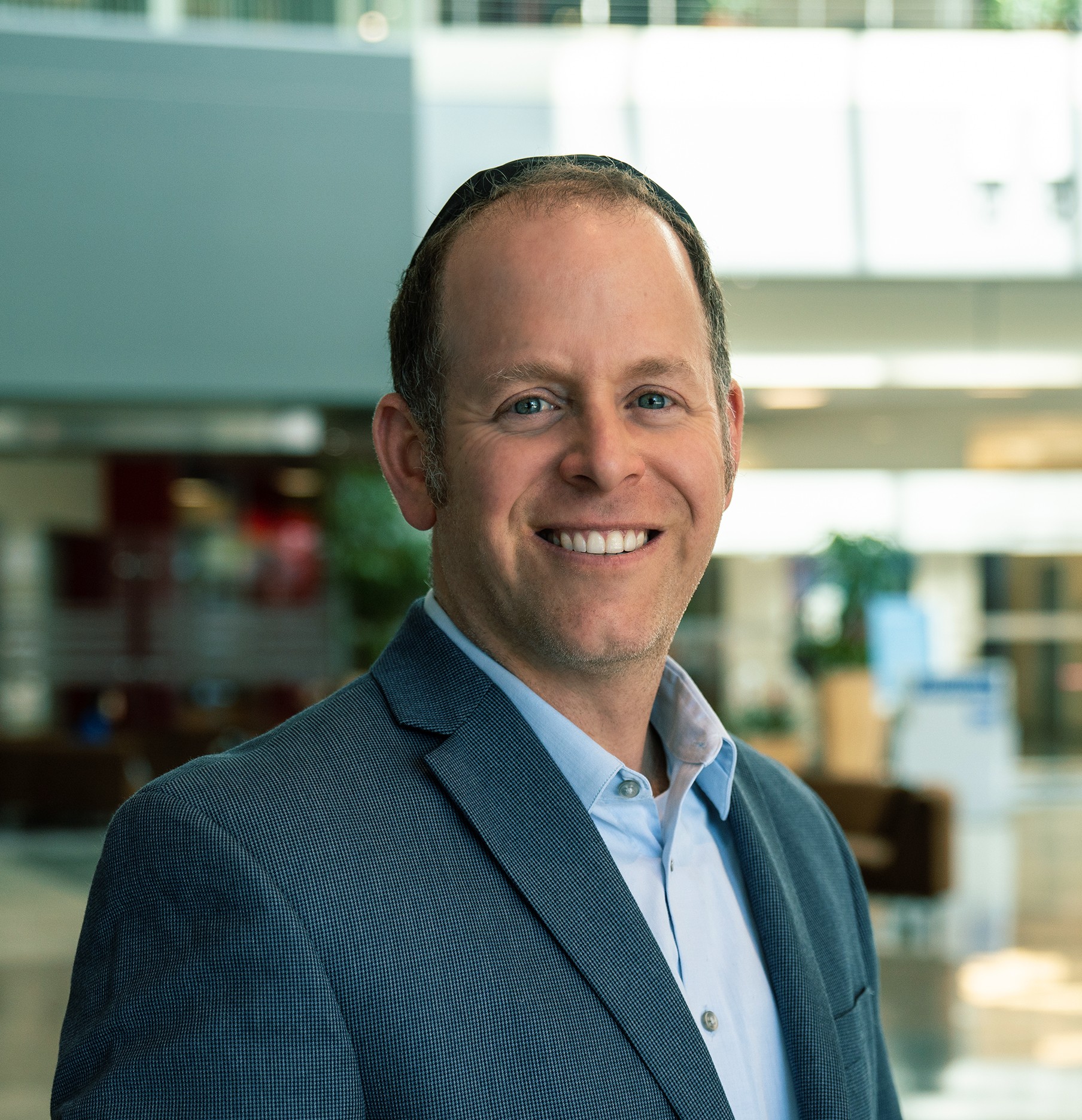
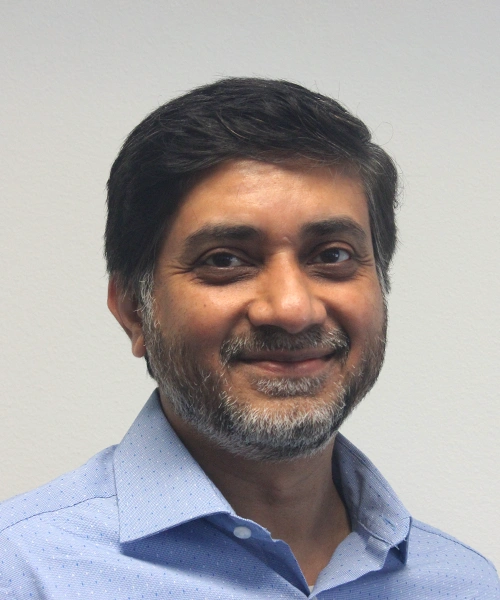
Thyaga NandagopalHead of Emerging Technologies Group, Samsung Research America | |
|---|---|
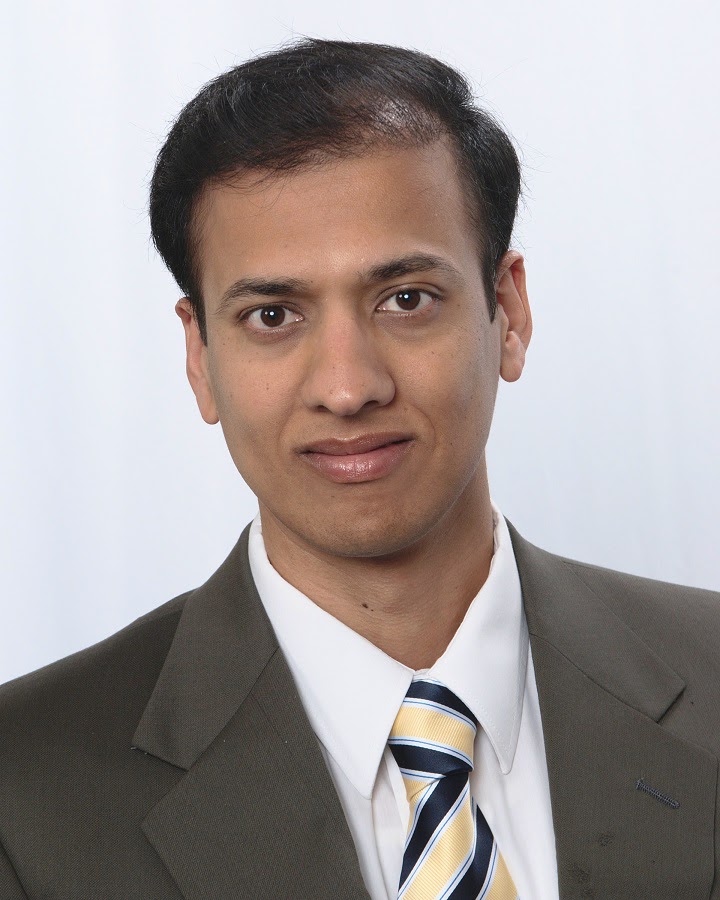 | Main Conference Keynote Speaker |
| Title:The Undocumented Interface: Split Inference on a Billion Phones | |
| Abstract: Before 2028, the installed base of generative-AI-capable smartphones will likely exceed a billion units. Each of these phones splits its AI features between the device and the manufacturer's servers, reached over the wireless interfaces. The phone decides, per request, how this split is handled. It is less known what that decision is based on, or what the phone does when the radio conditions turn against it. This talk poses that as an open question: does either side of this split even know the other exists? Drawing on recent research across on-device inference, digital health, communications, and robotics at Samsung Electronics, this talk argues mobile AI needs what real-time robotics already has: measured behavior under sustained load, a defined response to a missed deadline, and a way for the two halves of a split computation to see each other. | |
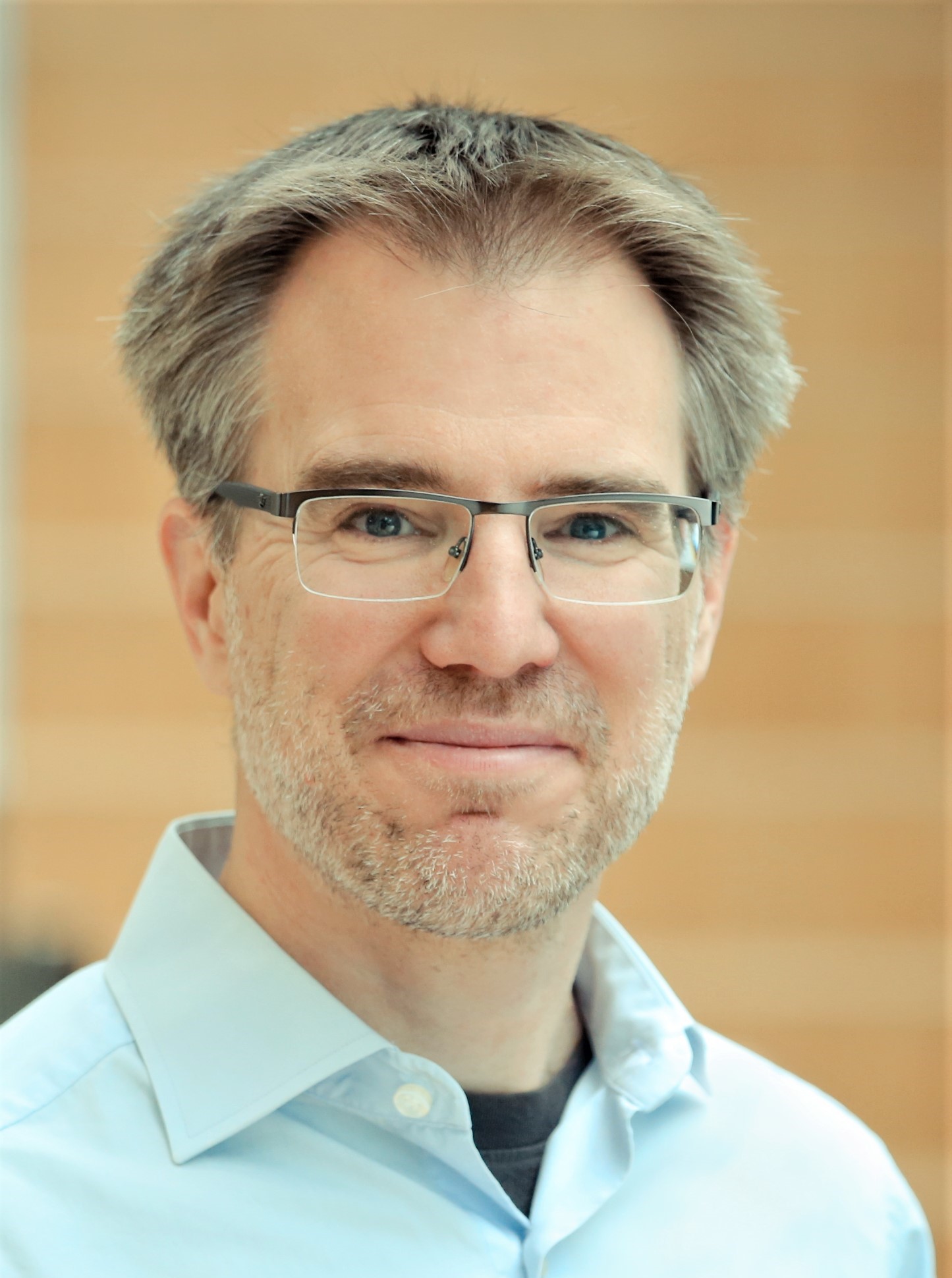
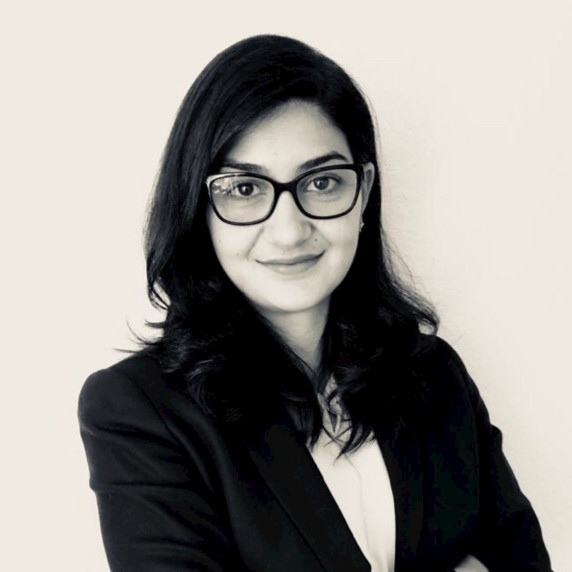
Danijela CabricProfessor, IEEE Fellow, Electrical Engineering Department, University of California, Los Angeles | |
|---|---|
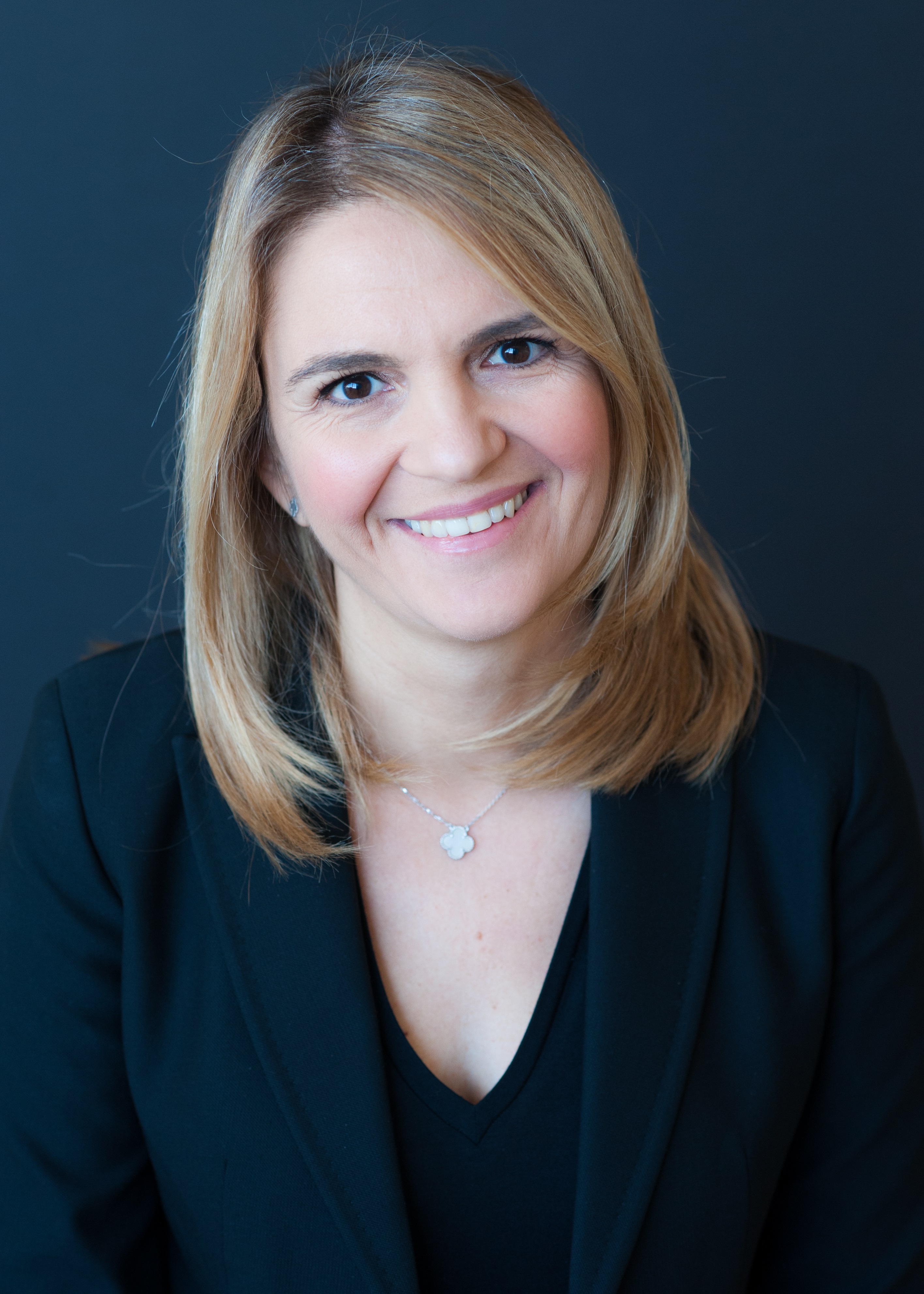 | N2Women Keynote Speaker |
| Title:Learning for Spectrum Awareness, Spatial Intelligence, and Robustness to Hardware Impairments | |
| Abstract: Next-generation wireless systems are evolving beyond the pursuit of higher data rates toward intelligent radio networks capable of supporting dense user connectivity, improved spectral efficiency, and integrated sensing and communication. Under this vision, wireless infrastructure is expected not only to exchange information but also to sense, localize, and adapt to the surrounding environment. In this talk, I will present recent research on integrating intelligence into wireless systems through three representative applications. First, I will discuss AI-driven approaches for wideband spectrum sensing that combine signal detection, classification, and RF fingerprinting using complex-valued neural networks. Second, I will present learning-based techniques for user localization, tracking, and spatial prediction based on deep learning, hypernetworks, and in-context learning. Third, I will discuss in-context learning approaches for sample-efficient adaptive self-interference cancellation, enabling robust full-duplex operation under realistic hardware impairments and time-varying conditions. Finally, I will introduce ongoing research on learning-enabled channel estimation and super resolution angle-of-arrival estimation in large-scale MIMO systems. | |
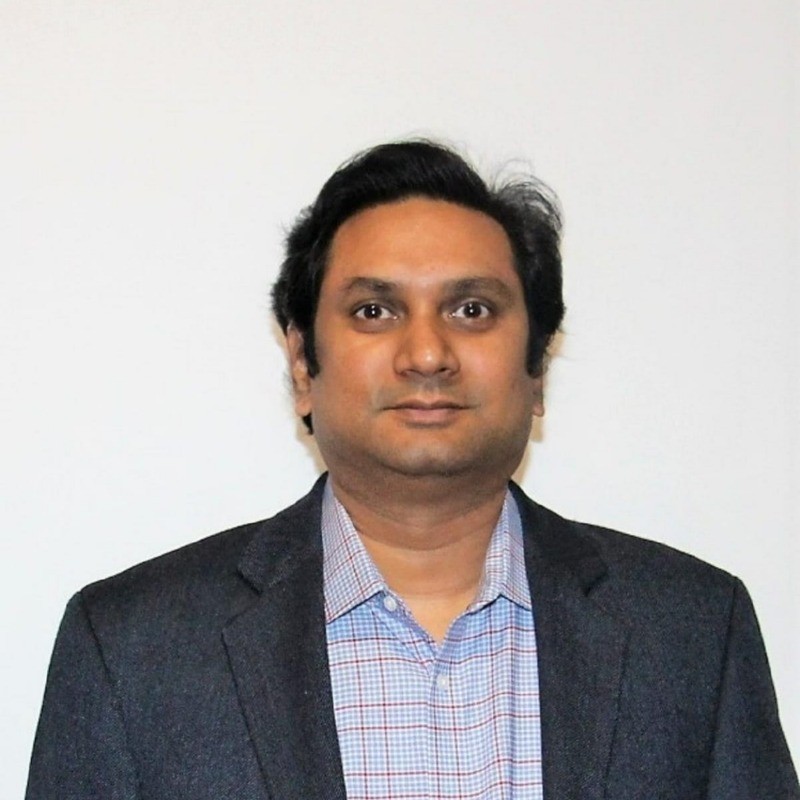
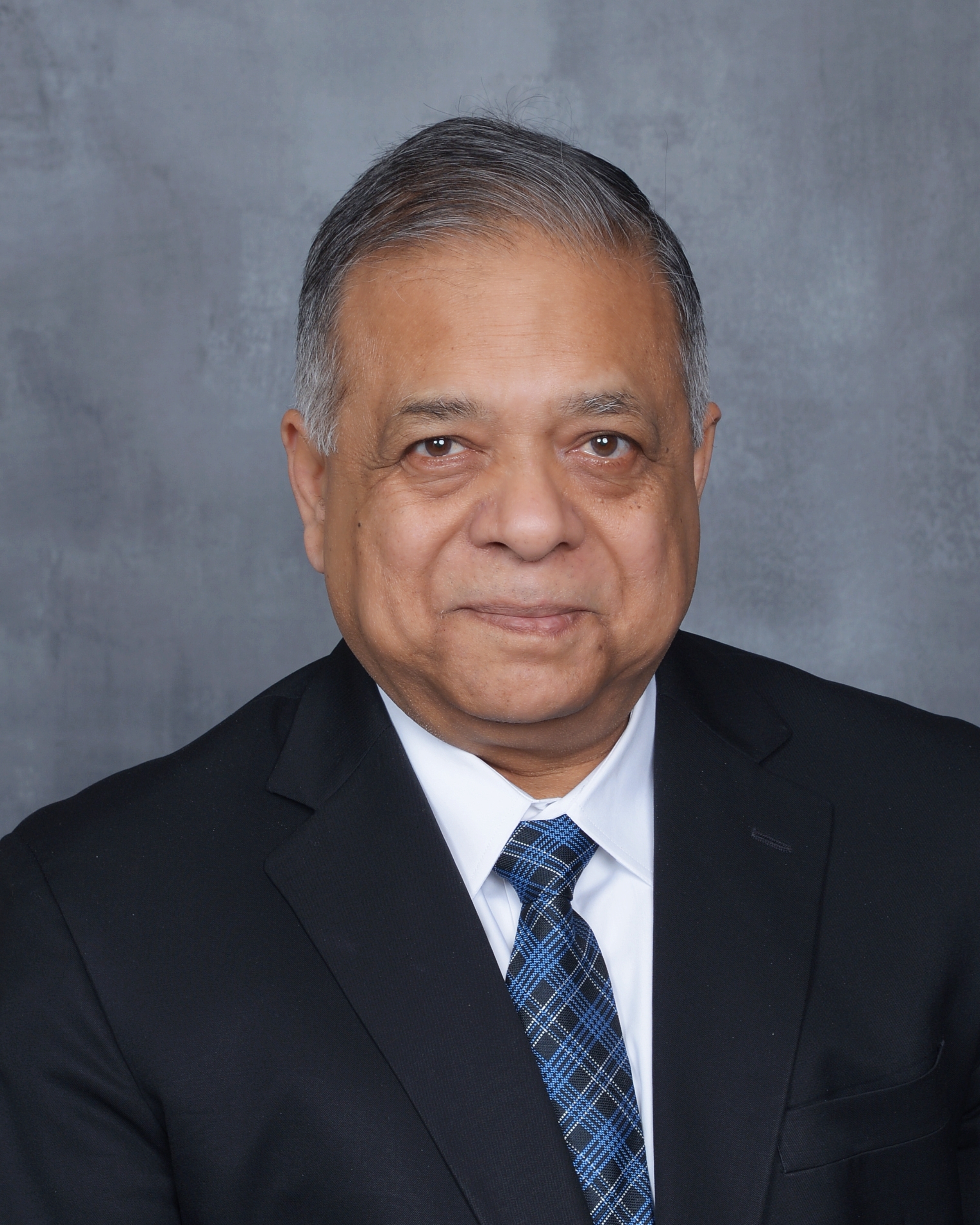
Kailash NarayananSenior Vice President - Keysight Technologies, President - Keysight’s Communications Solutions Group | |
|---|---|
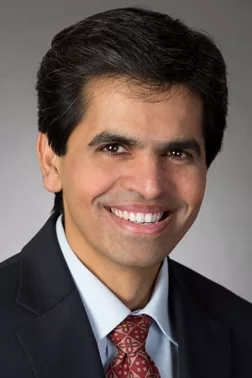 | Industry Sponsor Keynote |
Panels
Keysight
NSF
IMDEA
Amazon Web Services
Qualcomm
XRComm
Nokia
AT&T
Industry Day Keynote Speakers
Fadel Adib
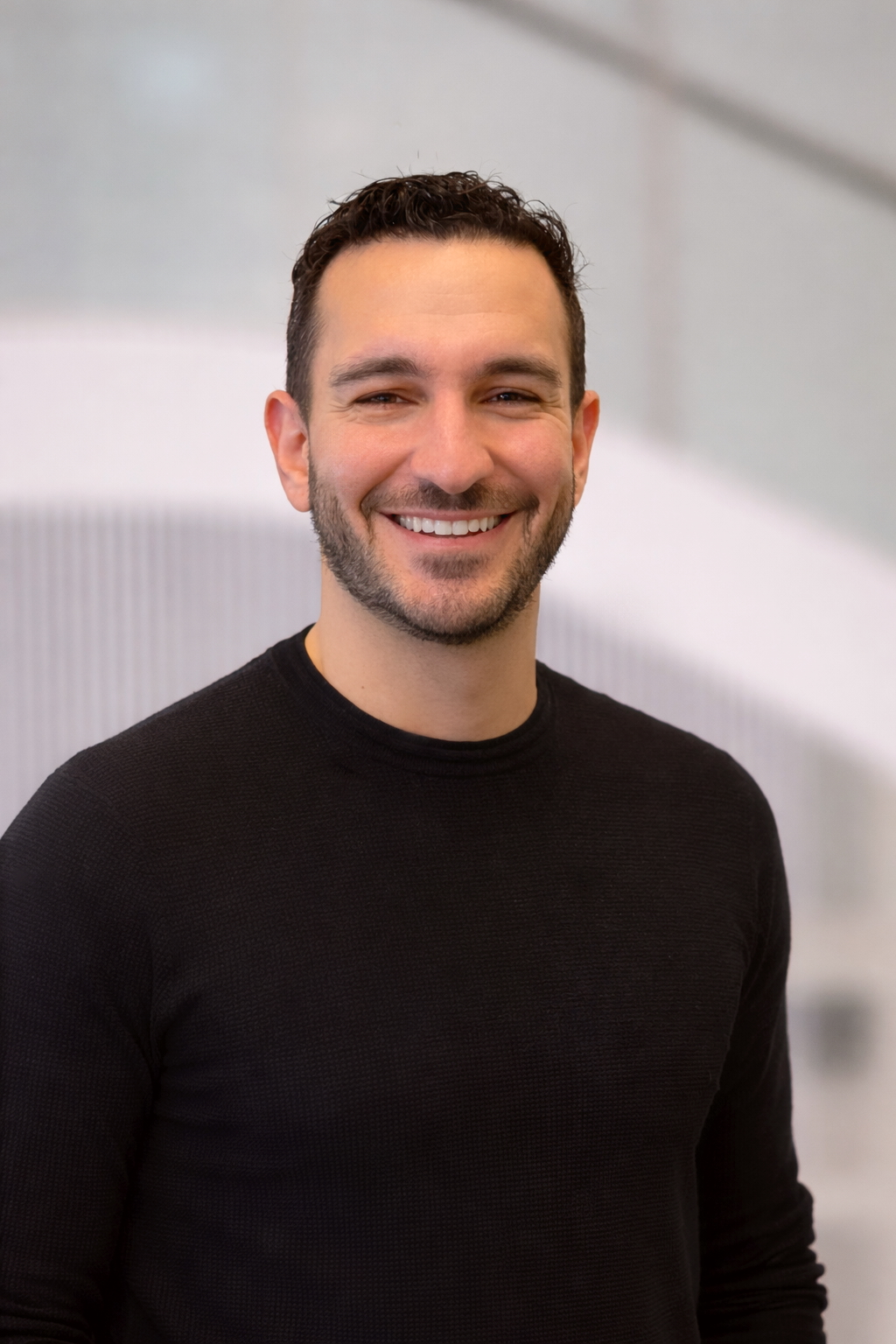
Professor at MIT; Founder and CEO of Cartesian Systems
Lili Qiu

Professor of Computer Science, The University of Texas at Austin
For more details, refer to the Industry Day page.
Workshops Speakers
20th ACM Workshop on Wireless Network Testbeds, Experimental evaluation & Characterization (WiNTECH)
Keynote 1
Mahesh K. Marina
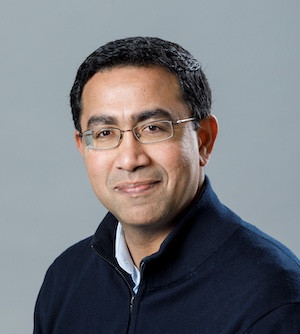
Professor (Personal Chair of Networked Systems), University of Edinburgh
Talk details available on the WiNTECH workshop page.
ACM Workshop on Digital Twins over NextG Wireless Networks (DTwin)
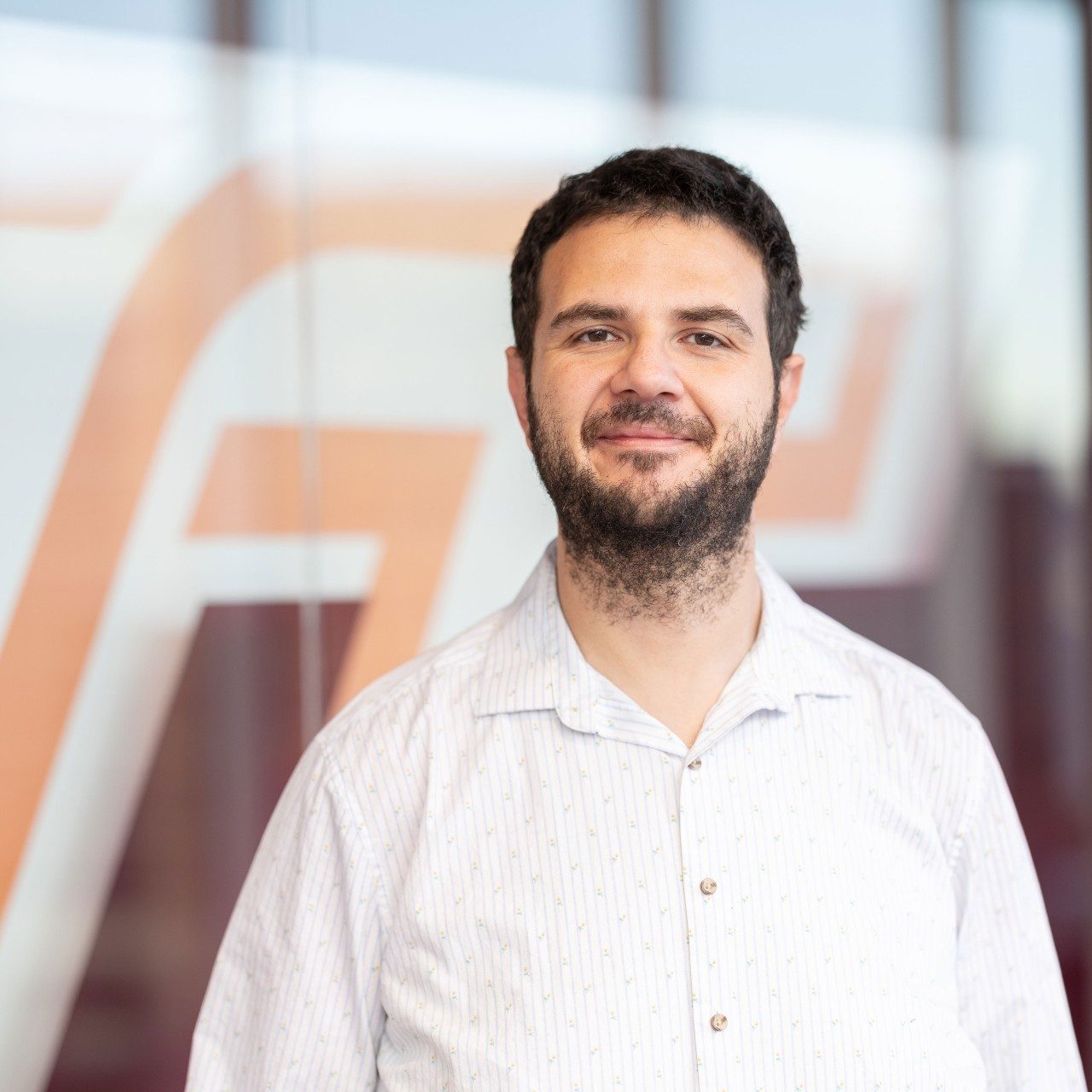

The 4th International Workshop on Human-Centered Sensing, Modeling, and Intelligent Systems (HumanSys)
Keynote 1
Lili Qiu
NAI Fellow, ACM Fellow, IEEE Fellow, Professor, Dept. of Computer Science, University of Texas at Austin
Talk details available on the HumanSys workshop page.
Keynote 2
Ying Ding
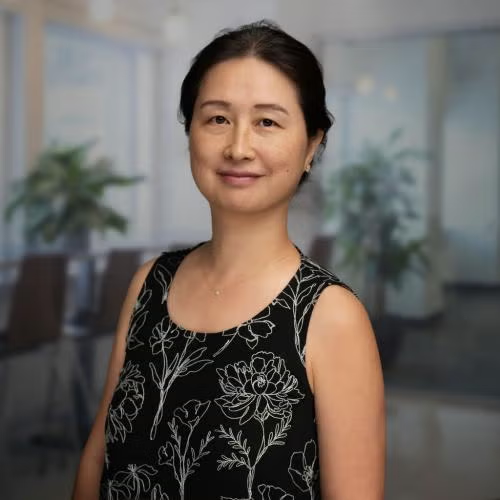
Bill & Lewis Suit Professor, iSchool, University of Texas at Austin
Talk details available on the HumanSys workshop page.
2nd ACM Workshop on Enhancing Security, Privacy, and Trust in Extended Reality (XR) Systems (XRSecurity)
Keynote 1
Matthew Wilding
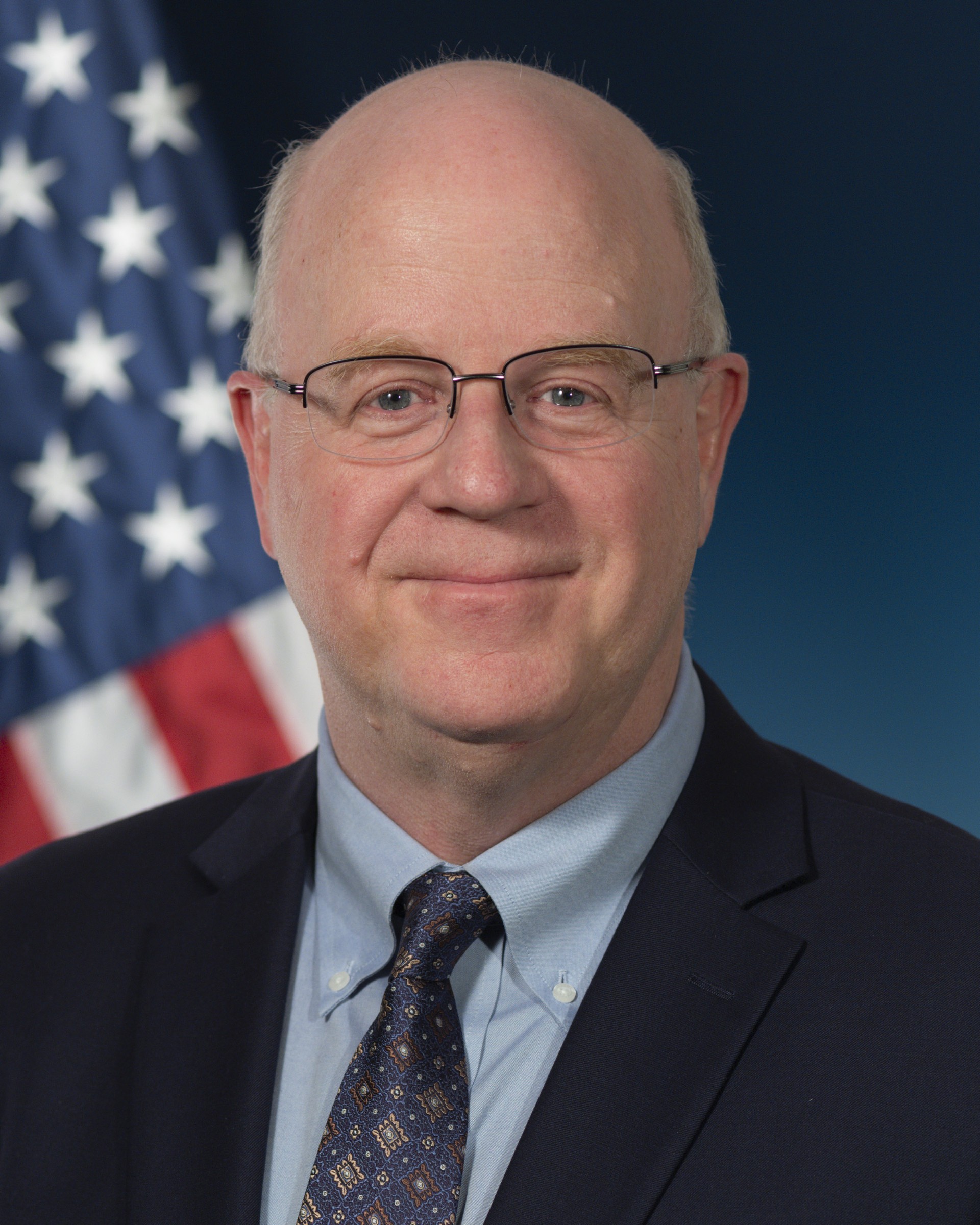
Program Manager of the Information Processing Techniques Office at DARPA
Talk details available on the XRSecurity workshop page.
Hot Topics in Mobile and Wireless Systems for Health (MobiDx)
Keynote 1
Chenyang Lu
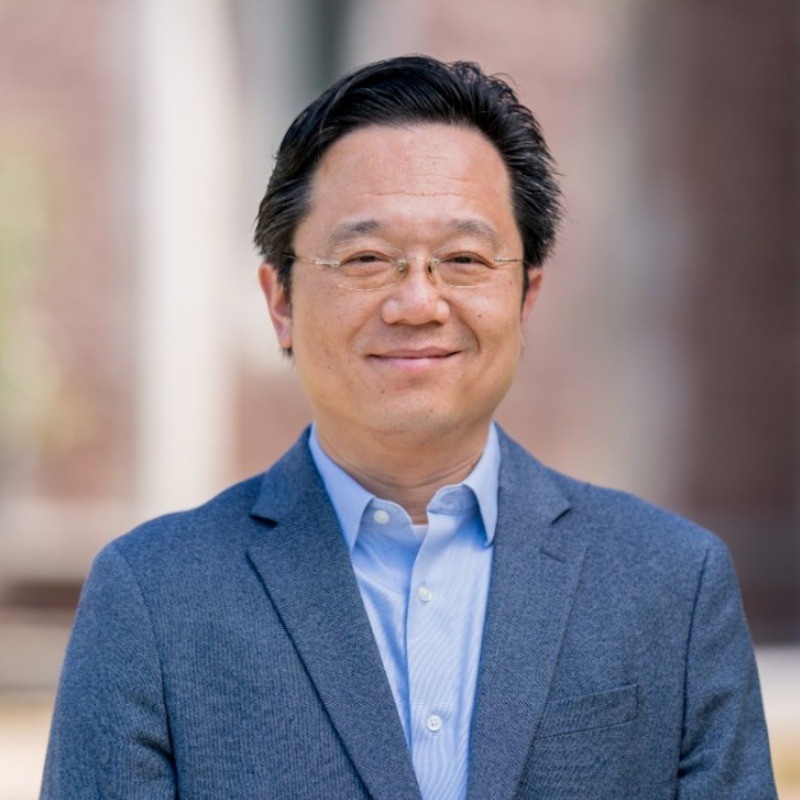
Director, AI for Health Institute (AIHealth); Fullgraf Professor, Washington University in St. Louis
Talk details available on the MobiDx workshop page.
Keynote 2
Tim Weadon
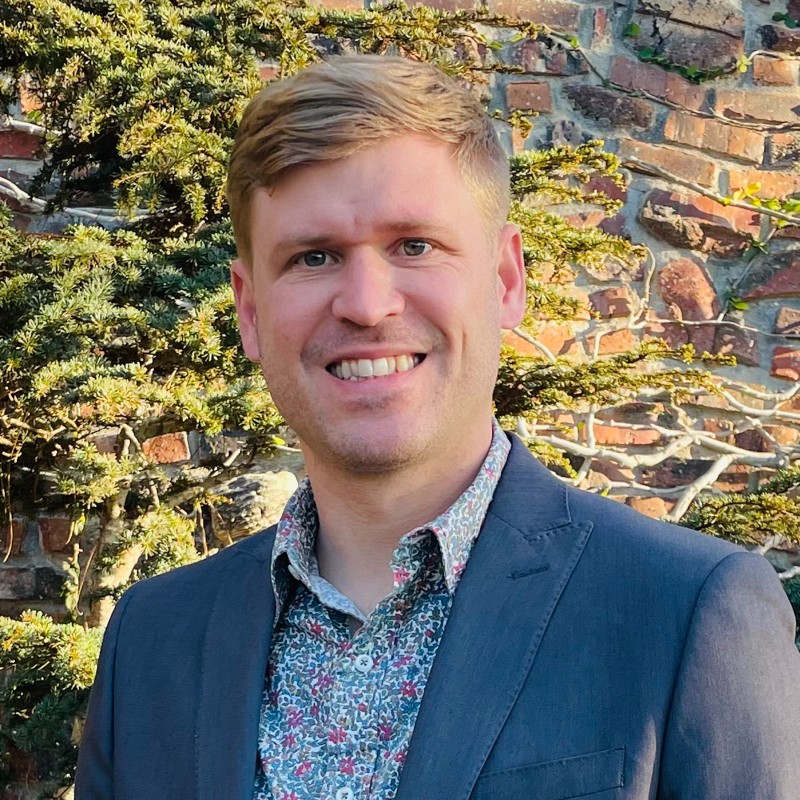
Director of Biosensors, Samsung Research America
Talk details available on the MobiDx workshop page.
MobiArch 2026: Workshop on Mobility in the Evolving Internet Architecture (MobiArch)
Speakers to be announced.
The 7th International Workshop on Drone-Assisted Wireless Communications for 5G and Beyond (DroneCom)
Speakers to be announced.
3rd ACM Workshop on Open and AI RAN (AI RAN)
Speakers to be announced.
ACM Wireless of the Students, by the Students, and for the Students Workshop (S3)
Speakers to be announced.
The 4th ACM Workshop on Mobile Immersive Computing, Networking, and Systems (ImmerCom)
Speakers to be announced.